shape-up
Best Thing: Reviewers praise "Shape Up" for its innovative approach to project management, emphasizing the value of six-week cycles that help teams focus on delivering what truly matters. The concept of shaping work based on appetite rather than strict time estimates allows for greater creativity and flexibility, which many find refreshing and effective. Worst Thing: Some reviewers criticize the book for being too abstract and lacking concrete examples, making it difficult for certain readers to fully grasp the implementation of its concepts. Additionally, the framework may not be suitable for all types of projects or teams, leading to frustration among those who prefer more traditional methodologies.
- 6 week cycles to deliver the thing that matters
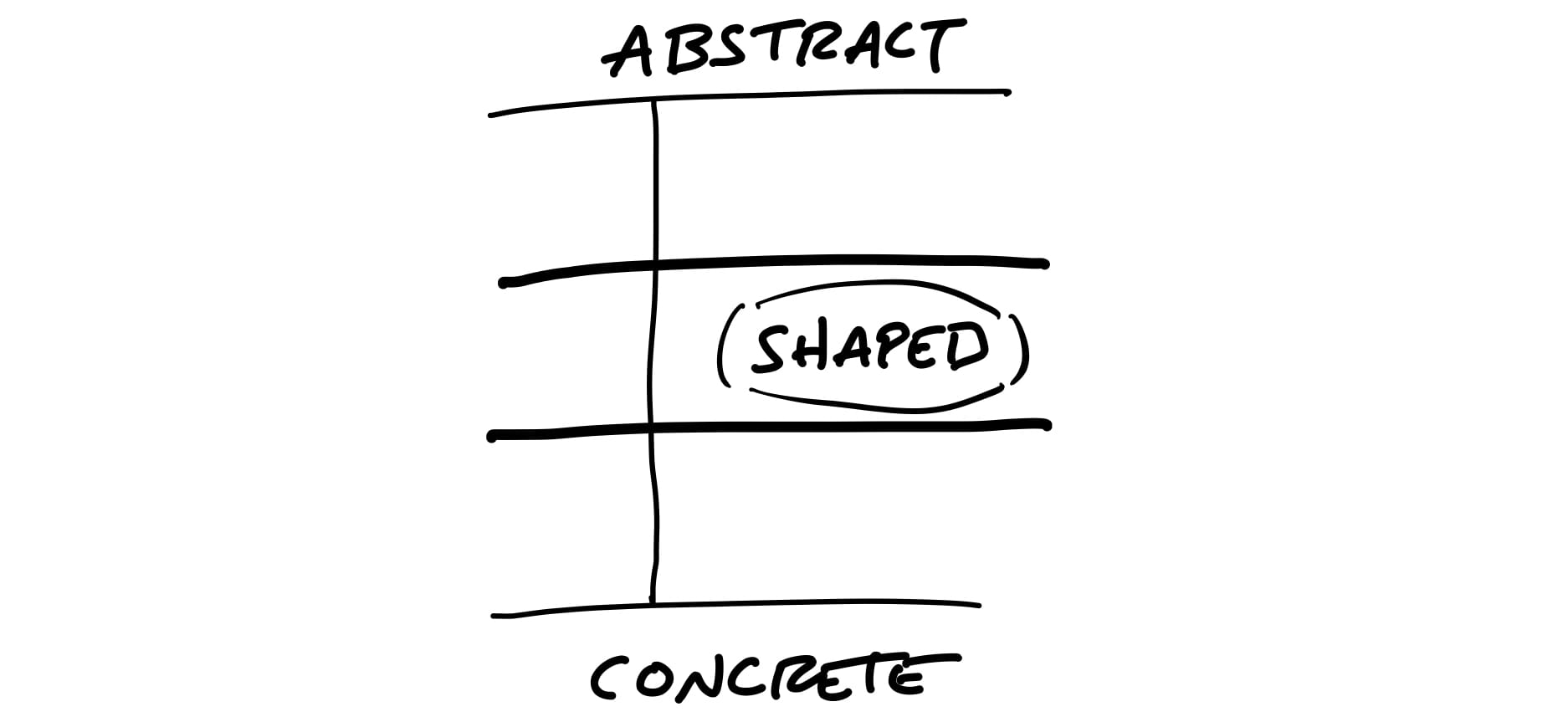
- Projects are defined (by the team and leadership) at the right level of abstraction: concrete enough that the teams know what to do, yet abstract enough that they have room to work out the interesting details themselves.
- Focus less on estimates and more on our appetite. Instead of asking how much time it will take to do some work, we ask: How much time do we want to spend? How much is this idea worth? This is the task of shaping: narrowing down the problem and designing the outline of a solution that fits within the constraints of our appetite.
- Reducing risk during planning and execution
- We reduce risk in the planning process by capping our bets to six weeks. If a project runs over, by default it doesn’t get an extension. This “circuit breaker” ensures that we don’t invest multiples of the original appetite on a concept that needs rethinking first.
- Instead of building lots of disconnected parts and hoping they’ll fit together in the 11th hour, we build one meaningful piece of the work end-to-end early on and then repeat. The team sequences the work from the most unknown to the least worrisome pieces and learns what works and what doesn’t by integrating as soon as possible.
- Shaping at the right level of abstraction: ‘solved’ for the main things but not overly concrete
- rough, but ‘solved’; bounded in its scope
- Set boundaries, rough out elements, address risks and rabbit holes to avoid, package it with a formal write-up called a pitch. The pitch summarizes the problem, constraints, solution, rabbit holes, and limitations